


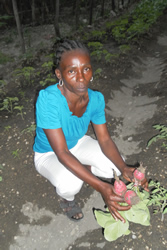

Afro?Dominicans are Dominicans whose ancestry is rooted primarily in Sub?Saharan Africa. Their presence in the Dominican Republic began early in the colonial period, when the Spanish imported African laborers to replace the rapidly declining Indigenous Taíno population. The first Africans brought to the island arrived as Ladinos, already familiar with Iberian culture, and were later followed by enslaved Africans from West and Central Africa during the sixteenth to eighteenth centuries. Over time, as the sugar industry declined and the enslaved population stabilized, many Africans became free, forming the basis of a growing Afro?Dominican community. Subsequent waves of Black migrants arrived from the French and British Caribbean, and from the United States, further shaping Afro?Dominican identity. Their history includes maroon communities, cultural resilience, and deep participation in the formation of Dominican society.
Afro?Dominicans live across both coastal and inland regions of the Dominican Republic and contribute significantly to the country's cultural, economic, and social life. Many work in agriculture, construction, tourism, commerce, and service sectors. Daily life often centers around extended family networks that provide emotional and practical support. Households may include grandparents, aunts, uncles, and cousins who help raise children and sustain strong community ties. Traditional foods such as mangú, ñame, and various plantain dishes reflect African influence, while rice, beans, and stewed meats remain staples of Dominican cuisine.
Celebrations blend African, Indigenous, and Spanish elements. Music and dance are central expressions of identity. Rhythms like palos, gagá, and congo—deeply rooted in African traditions—accompany religious ceremonies, festivals, and community gatherings. Holy Week, patron saint festivals, and local fiestas often involve drumming, chanting, and vibrant processions. Cultural pride is expressed through art, storytelling, and intergenerational traditions that carry forward the memory of ancestors.
Afro?Dominicans practice a mix of Christian traditions—especially Roman Catholicism and Protestant streams—alongside syncretic forms of African?influenced spirituality. Some Afro?Dominicans participate in traditions such as Dominican Vodou (Las 21 Divisiones or Los Misterios), which blends African cosmology with Catholic symbolism. Others express their faith through church?based worship, scripture reading, and participation in local congregations.
Where the gospel is strong, pray that Afro?Dominican believers will embrace their identity as part of Christ's global mission force, joining efforts to bring the mercy and hope of Jesus to less?reached peoples.
Social inequality continues to affect many Afro?Dominicans, and some communities experience discrimination or limited access to services. Stronger educational support can encourage young people to pursue academic and vocational opportunities. Economic stability is essential for families working in sectors vulnerable to seasonal fluctuations. Continued affirmation of their cultural identity enriches Dominican society, while spiritual nurture helps individuals develop grounding in Christ's love and purpose. Greater access to discipleship resources and healthy local churches strengthens spiritual growth and fosters communal resilience.
Pray that Afro?Dominican communities will experience justice, dignity, and stability in every area of life.
Pray that the Holy Spirit will bring spiritual renewal among Afro?Dominicans, leading many to follow Jesus wholeheartedly.
Pray that local churches will be strengthened and equipped to disciple believers in ways that honor Afro?Dominican cultural identity.
Pray that Afro?Dominican Christians will be empowered to join the global gospel force, carrying Christ's compassion to those with little access to his message.
Scripture Prayers for the Afro-Dominican in Dominican Republic.
https://en.wikipedia.org/wiki/Afro-Dominicans
https://islandhopperguides.com/dominican-republic/dominican-culture/afro-dominican-heritage-echoes-of-africa-in-music-food-and-faith/
https://www.afro-latinos.org/dominicans
https://aaregistry.o
| Profile Source: Joshua Project |


